
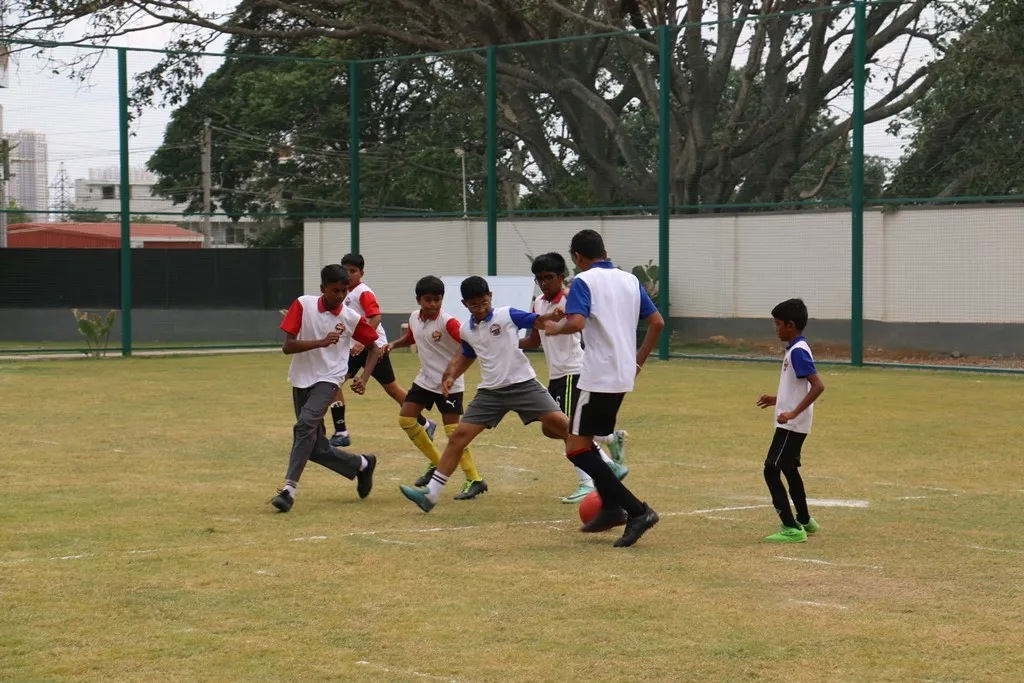
Extracurricular activities in schools help children develop important skills beyond academics. Sports, music, dance, art, public speaking, clubs, and other activities can build confidence, teamwork, creativity, leadership, discipline, and communication skills.
For parents choosing a school, extracurricular activities can be an important part of creating a balanced education that supports a child’s overall development.
What Are Extracurricular Activities in Schools?
Extracurricular activities are those activities that students participate in outside of their regular academic lessons. They may include sports, music, dance, art, drama, debates, quizzes, coding, robotics, school clubs, and culturalprograms..
These activities provide children a chance to explore their interests, interact with other students, and learn through practical experiences.
A positive school environment should provide opportunities for both academic learning and extracurricular activities.
Why Are Extracurricular Activities Important for Students?
Extracurricular activities allow children to learn skills that may not always be developed through classroom lessons alone.
Here are some of the key benefits.
1. Builds Confidence
Taking part in a competition, performing on stage, playing a sport, or speaking in front of others can help children become more confident.
Even small achievements can encourage students to try new things and believe in their abilities.
2. Develops Teamwork
Many school activities involve working with others.
Sports teams, drama groups, school clubs, and group projects teach students how to communicate, listen, cooperate, and work towards a common goal.
These teamwork skills can be useful both in school and later in life.
3. Encourages Creativity
Activities such as art, music, dance, theatre, creative writing, and design give children opportunities to express themselves.
They also encourage students to think differently, explore ideas, and find creative solutions to problems.
4. Teaches Discipline and Time Management
Balancing schoolwork with extracurricular activities teaches students how to manage their time.
For example, a student who participates in sports may need to plan practice sessions while completing homework and preparing for exams.
These habits can help children become more organised and responsible.
5. Develops Leadership Skills
Extracurricular activities can give students opportunities to take responsibility.
They may lead a team, organise an event, coordinate a club activity, or help other students.
Such experiences can develop leadership, decision-making, communication, and problem-solving skills.
What Types of Extracurricular Activities Can Schools Offer?
Schools can offer a range of activities to help students explore their interests and develop new skills, including:
- Sports: Cricket, football, basketball, athletics, badminton, and yoga
- Creative: Art, music, dance, drama, and creative writing
- Leadership: Debate, public speaking, quizzes, and student clubs
- Technology: Coding, robotics, STEM, and digital design
The focus should be on providing meaningful activities that encourage students to learn, participate, and grow.
How Can Parents Choose the Right Extracurricular Activity?
Parents should choose activities based on their child’s interests, age, abilities, personality, and available time.
Some children may enjoy sports, while others may prefer music, art, coding, or public speaking. The best activity is one that the child enjoys, learns from, and can participate in consistently.
Extracurricular Activities in Schools in Bangalore
Bangalore has many schools offering sports, arts, clubs, cultural programmes, technology activities, and other opportunities alongside academics.
Parents looking at schools with extracurricular activities in Bangalore, including areas such as KR Puram, can compare schools based on their curriculum, facilities, teaching approach, extracurricular programmes, and overall learning environment.
For example, NPS KR Puram is one school that parents may consider when exploring educational options in the area. However, the right school ultimately depends on each child’s individual needs, interests, and learning preferences.
Conclusion
Extracurricular activities in schools give children opportunities to learn, explore, participate, and grow beyond the classroom. They can build confidence, teamwork, creativity, discipline, leadership, and other important life skills.
For parents, the goal should not be to choose a school simply because it offers many activities. Instead, look for a balanced school environment where academics and extracurricular activities work together to support the child’s overall development.
Looking for a school in East Bangalore that balances academics with sports, arts, and other extracurricular activities? Contact NPS KR Puram to learn how students are encouraged to learn, participate, and grow beyond the classroom.
Frequently Asked Questions
What are extracurricular activities in schools?
Extracurricular activities are activities outside regular classroom lessons, such as sports, music, dance, art, drama, debates, clubs, coding, and other student programmes.
What are the benefits of extracurricular activities for students?
They can help students develop confidence, teamwork, communication, creativity, leadership, discipline, and time-management skills.
Which extracurricular activities are best for children?
There is no single best activity for every child. The right choice depends on the child’s interests, age, abilities, and personality.
How many extracurricular activities should a student take?
There is no fixed number. Students should have enough time for academics, activities, rest, family, and free play. Quality and enjoyment are more important than quantity.
Should extracurricular activities be considered when choosing a school?
Yes. Parents can consider the variety, quality, facilities, guidance, and opportunities available when comparing schools.
Resources
- UNICEF – Learning and Skills
- UNESCO – Education and Learning
- CDC – Physical Activity and Children
- Harvard Graduate School of Education – Usable Knowledge
- National Education Policy (NEP) 2020 – Ministry of Education, Government of India




 Call Now