
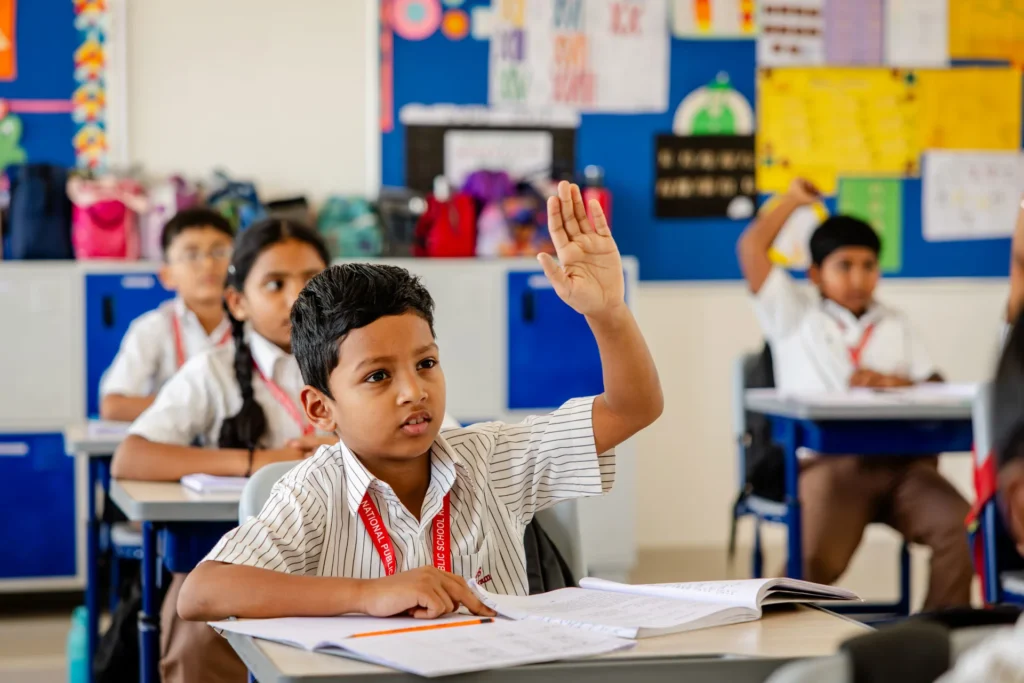
Despite selecting a school to begin your child’s education, there could still be some doubts lingering in your mind as to whether you have made the right choice. This article explores evidence-based signs that confirm that your child is enrolled in the best school for child development. It is a perfect combination of academic, emotional, social, and ethical indicators, with modern educational standards meeting parental expectations.
Introduction
Getting the right school for your child’s education is not only an important decision you make as a parent, but also an equally complex task. While rankings and infrastructure do play an important role, your child’s daily experiences, growth, and attitude also play a crucial role. With schools adopting a more holistic and child-centric approach, parents must look beyond grades to assess whether a school truly supports their child’s development.
An opportunity that can ensure complete safety, a sense of joy in learning, consistent progress, building positive relationships, developing life skills and strong communication indicates the qualities of a good school. Together, they indicate that your child is in a good, nurturing and future-ready learning environment.
7 Signs Your Child Is in the Right School
- Continued excitement while going to school
One of the most powerful indicators is a positive and confident attitude. It helps them enjoy learning and increases participation.
- Good progress without stress
There is consistent improvement without undue pressure as learning is structured, paced, and supported—fostering curiosity rather than fear.
- Strong connection with teachers
Establishing a personal connection with a teacher guarantees the successful resolution of any learning gaps.
- Emotional safety and security
Mental preparedness plays a huge role in child development. A child who feels valued and emotionally secure can become more productive.
- Extra-curricular activities
Exposure to sports, arts, leadership programs, and life-skills education signals a school’s commitment to holistic development.
- Frequent interaction with parents
Frequent updates on performance, transparent policies, and collaborative problem-solving show that the school values parents as partners in education.
Significance of these Signs—How valuable are they?
- Irrespective of the curriculum of education chosen (CBSE, ICSE, State, etc.), students are better monitored today by their parents. Factors like emotional cues, learning habits, and social behaviour help in reflecting what genuinely impacts a child’s daily school life.
- According to educational psychologists and child development experts, engagement at an individual level, emotional safety, and teacher relationships are more focused upon as strong predictors of long-term success than grades alone. Schools aligned now focus on competency-based learning, critical thinking, and well-being.
- The above indicators align well with guidance from recognized education boards, child welfare frameworks, and best practices followed by leading schools in India.
- This article does not present exaggerated claims and focuses on observable, measurable outcomes parents can trust—such as behavioural change, communication quality, and learning consistency. On the other hand, it empowers parents to make informed decisions rather than rely solely on marketing narratives.
Why this article is better:
This article serves readers with the latest educational updates with respect to choosing the right school for your child. It correlates well with the Indian schooling context and parental insights, making it more relevant, trustworthy, and practical.
Conclusion
When it comes to ensuring a proper education for your child, as a parent, there should be zero compromise on your part. To know how to ensure this, start a meaningful conversation with NPS KR Puram, a school trusted for its academic excellence, student well-being focus, and transparent parent engagement. Connect today to explore how the right environment shapes confident, future-ready learners and delivers champions.
Frequently Asked Questions
- How do I know if my child is happy at school?
Your child talks openly about school, shows interest in studies, is enthusiastic, and maintains emotional balance during weekdays. These qualities indicate that he is happy at school. - Are good grades enough to judge a school?
Grades, when combined with emotional growth, skills development, and stress levels, can give more clarity on the quality of the school. - What if my child is quiet but not unhappy?
You may take a while and observe how consistent your child has been with calm behaviour, steady progress, and comfort with teachers. This can give you more to think about. - How often should schools communicate with parents?
Regular updates, scheduled meetings, and prompt responses indicate healthy communication. - Can a school be right academically but not emotionally?
Yes, and such an imbalance may impact long-term confidence and well-being.
Reference
- Edutopia – Signs of a Healthy School Environment
- Very well Family – How to Tell If a School Is a Good Fit
- Times of India Education – Choosing the Right School
- Parent Circle – Is Your Child Thriving at School?
- Education World India – School Fit Indicators




 Call Now